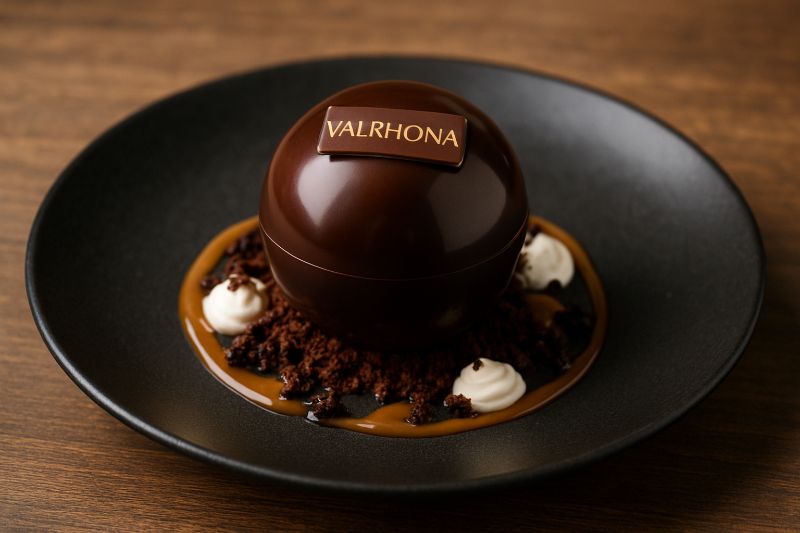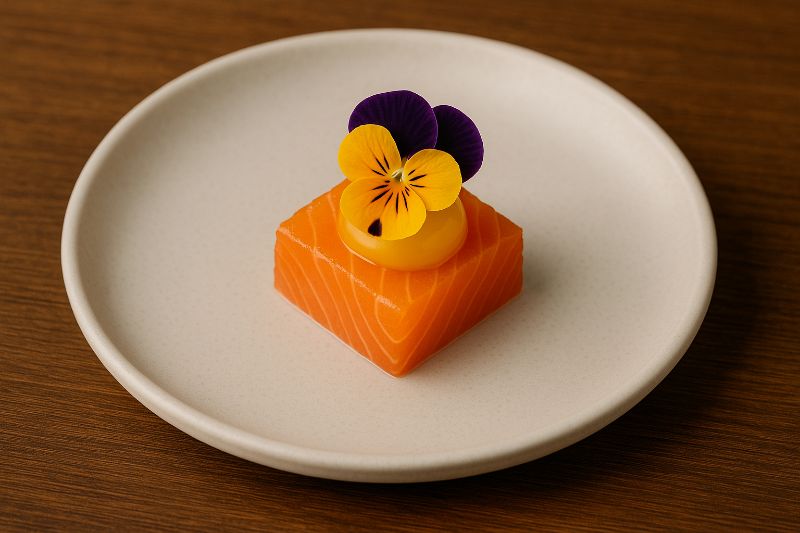
In the world of fine dining, few elements carry as much meaning in such a small form as the amuse-bouche. Often no larger than a single bite, it stands as the first true expression of a chef’s philosophy—an edible introduction that hints at the creativity, seasonality, and precision that will unfold throughout the meal. Its purpose is simple yet profound: to awaken the palate, spark curiosity, and offer a glimpse of the experience to come.
Unlike appetizers, the amuse-bouche is not ordered. It is gifted. This small gesture reflects hospitality in its purest form, a way for the kitchen to say, “Welcome, and let us show you what we can do.”
The Purpose Behind the Bite
The amuse-bouche plays an important structural role in the dining journey. It prepares the palate by balancing flavors—often with bright acidity, gentle umami, or subtle richness—setting the stage for the dishes that follow. Its size is intentional: one perfect bite can leave an impression far stronger than a full plate.
Moreover, the amuse-bouche acts as the first conversation between chef and guest. It communicates style, season, and technique in the most concentrated way. Whether it’s a delicate tartlet, a velvety spoonful of espuma, or a playful reinterpretation of a classic dish, each variation serves as a culinary handshake.
- One bite, infinite possibility
- A showcase of creativity and precision
- A bridge between the guest and the kitchen
Crafting the Perfect Amuse-Bouche
Behind its simplicity lies a surprising amount of work. Chefs experiment endlessly to find combinations that offer maximum impact in minimal form. Ingredients must be balanced with precision, ensuring complexity without overwhelming the senses. Texture, temperature, and aroma all play equally essential roles.
Presentation is also crucial. Served on custom spoons, polished stones, tiny wooden boards, or bespoke ceramics, the amuse-bouche often sets the visual tone of the evening. Its elegance lies not only in flavor but also in the artistry of how it is delivered.
“An amuse-bouche should linger—not on the tongue, but in the guest’s imagination.”
A Reflection of Season and Story
Many chefs use the amuse-bouche to highlight the season’s best ingredients. Spring herbs, summer fruits, autumn roots, or winter truffles—each bite captures a moment in time. Others use it to introduce a narrative thread, weaving cultural influences, personal memories, or local terroir into the beginning of the dining experience.
Some of the most memorable versions are deceptively simple:
- A chilled pea velouté with mint oil in early spring
- A savory tomato water gelée in midsummer
- A roasted chestnut espuma with smoked salt in winter
Each one tells a story through the fleeting beauty of a single mouthful.
The First Impression That Lasts
Though small, the amuse-bouche holds tremendous power. It has the ability to surprise, enchant, and build anticipation. When it succeeds, guests not only taste the chef’s skill—they feel it. This is why many diners still remember the amuse-bouche long after the meal is over.
It is the quiet hero of fine dining: humble in size, immense in impact. A starting point that sets the tempo, prepares the senses, and invites guests into the chef’s world. And for a brief moment, in a single perfect bite, the essence of the entire kitchen is revealed.