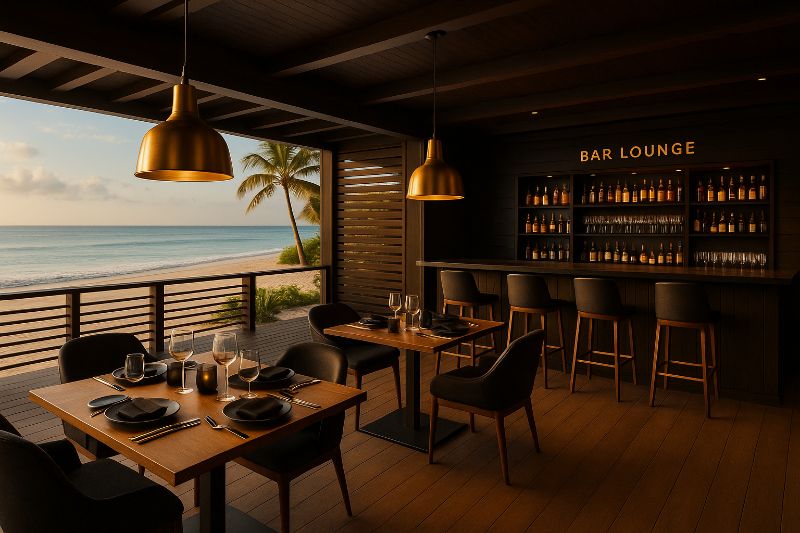
Foie gras is a French delicacy steeped in centuries of tradition, celebrated for its rich flavor and buttery texture. Yet behind its luxurious profile lies a journey that begins long before it reaches the pan. For our kitchen, the artistry of foie gras starts at the farm—where careful sourcing, ethical practices, and respect for the ingredient shape every step that follows.
Our producers work with small, family-run farms across the southwest of France, where waterfowl are raised with space to roam and fed naturally, following time-tested methods that emphasize animal welfare. This approach ensures not only exceptional quality but also integrity, honoring the heritage of French cuisine while embracing modern standards of sustainability.
From Ethical Sourcing to Culinary Excellence
The quality of foie gras begins with the environment in which the ducks or geese are raised. With open pastures, clean water, and attentive care, the birds develop natural layers of fat that contribute to foie gras’ unique richness. Ethical sourcing is essential—not only for humane treatment but also for achieving the balanced flavor and silky structure that distinguish true artisanal foie gras.
Once the raw foie gras arrives in our kitchen, it undergoes a meticulous selection process. Each lobe is evaluated for color, firmness, and marbling. Only those with a smooth, even consistency move forward to preparation. The goal is to preserve purity: no excessive trimming, no unnecessary manipulation—just respect for the ingredient.
- Hand-selected Grade A lobes
- Sourced from ethical, small-scale farms
- Naturally raised waterfowl
- Traditional French farming methods
The Art of Preparation
Preparing foie gras is a craft that demands precision, patience, and intuition. Before searing, the foie gras must be gently brought to the right temperature to ensure even cooking. The veins are removed with care to preserve the lobe’s structure, while seasoning is kept minimal—usually just sea salt and cracked pepper—to allow its natural flavor to shine.
The sear itself is a defining moment. Over high heat, the foie gras caramelizes instantly, forming a crisp golden crust while maintaining a molten, velvety center. Timing is crucial: too long and the fat renders excessively; too short and the interior lacks its signature silkiness. The result, when executed flawlessly, is a contrast of textures that melts effortlessly on the palate.
“Foie gras should never be rushed. It listens only to the flame.”
Pairings and Presentation
Foie gras pairs beautifully with contrasting elements—sweet, acidic, and crisp. Our signature preparation includes a fig compote that provides gentle sweetness, toasted brioche for structure, and a drizzle of aged balsamic to cut through the richness. These accompaniments elevate the dish without overshadowing the foie gras itself.
For an alternative pairing, we sometimes serve it with seasonal fruit or a lightly spiced gastrique. Each variation is designed to create harmony, balancing intensity with freshness.
- Classic seared foie gras with fig compote
- Brioche toasted in clarified butter
- Aged balsamic reduction
- Seasonal fruit or gastrique variations
A Celebration of Tradition
Foie gras is more than a luxurious dish—it is a reflection of French culinary heritage. Its preparation brings together tradition, craftsmanship, and respect for ingredients. While modern dining evolves, the heart of foie gras remains unchanged: a celebration of flavor shaped by hands that honor the past.
Whether enjoyed as the opening to a tasting menu or as a decadent standalone course, foie gras continues to captivate diners with its depth, texture, and unmistakable elegance. From the farm to the flame, every step tells a story—one that we are proud to share with every plate.