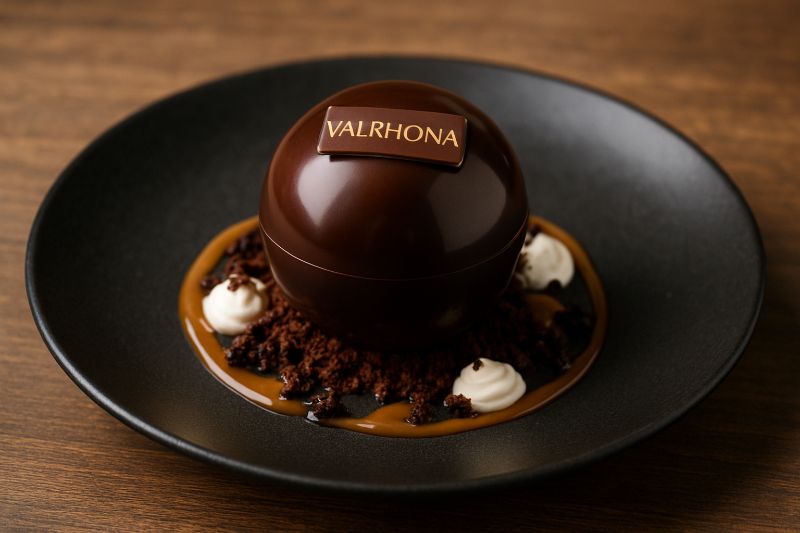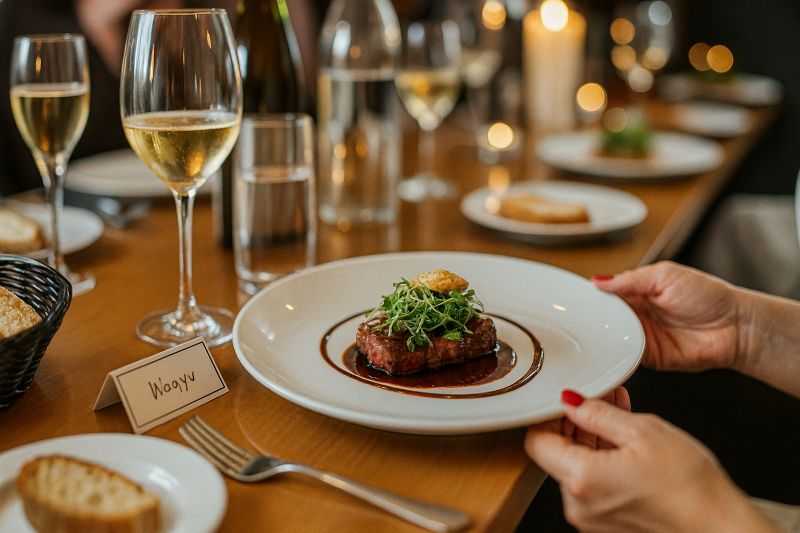
Plating is more than decoration—it is the silent language of fine dining. Every brushstroke of sauce, every placement of micro herb, and every curve of ceramic is intentional, designed to guide the eye before the palate. A beautifully plated dish elevates anticipation, priming the senses for what is to come.
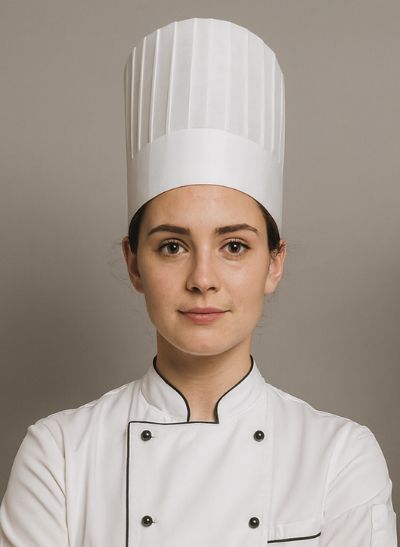
In modern gastronomy, plating has evolved into a collaborative art form where chefs, designers, and ceramic artists work hand in hand. The goal is not extravagance, but harmony: a composition that expresses season, texture, and story in a single glance.
Structure, Color, and Emotion
Chefs consider three essential pillars when composing a plate: structure, color, and emotion. Structure determines flow—where the diner’s eye lands first and how it moves. Colors express freshness, vibrancy, and contrast. Emotion comes from intention: a memory, a landscape, a moment captured through food.
From minimalist Japanese precision to bold Nordic abstractions, each plating style reflects a unique culinary philosophy.
- Compositions inspired by nature
- Handcrafted ceramics to frame the dish
- Minimalist plating versus sculptural presentation
Tools of the Artist
Tweezers, offset spatulas, ring molds, and sauce brushes are the brushes of a culinary painter. Chefs practice their movements like choreography, mastering consistency down to the millimeter.
“Plating is the bridge between technique and feeling.”
A Feast for All Senses
Plating is ultimately about storytelling—an invitation for diners to slow down and appreciate the journey before the first bite.